
The Shilajit Quality, Sourcing & Safety Guide
How to recognize genuine shilajit, understand where it comes from, and use it confidently in your daily routine. For a beginner's introduction to what shilajit is, see our What Is Shilajit guide.
The Himalayan Origins of Shilajit
Shilajit has been collected from Himalayan rock formations for thousands of years, long before it became a mainstream wellness product. Its geography matters as much as its chemistry. Resin harvested above 11,000 feet, in regions with minimal human disturbance, tends to carry a denser mineral and fulvic acid profile than resin collected at lower altitudes or in areas closer to farmland and settlements.

Why Geography Shapes Quality
The mineral composition of the surrounding rock, the altitude, and even the seasonal temperature swings all influence what ends up in the final resin. This is one reason two jars labeled "Himalayan shilajit" can differ so much in strength and purity. We cover the full formation process, from plant matter to finished resin, in our complete shilajit guide, so we'll keep this section brief and focus the rest of this guide on what actually separates good sourcing from poor sourcing.
What Separates Genuine Shilajit From Fakes
The shilajit market has grown quickly, and with that growth has come a wave of diluted, synthetic, and mislabeled products. Recognizing the real thing takes more than reading a label. Here's what genuine, high-quality resin actually looks, feels, and behaves like.
Texture
Soft and pliable when warmed between the fingers, never dry, chalky, or waxy.
Solubility
Dissolves completely in warm water within minutes, with no floating particles or grit.
Aroma
Earthy and mineral-forward. A sweet, chemical, or artificial smell is a red flag.
Color
Dark brown to near-black, with a glossy, tar-like appearance rather than a flat, uniform surface.


Lab Testing, Purification & Certificates
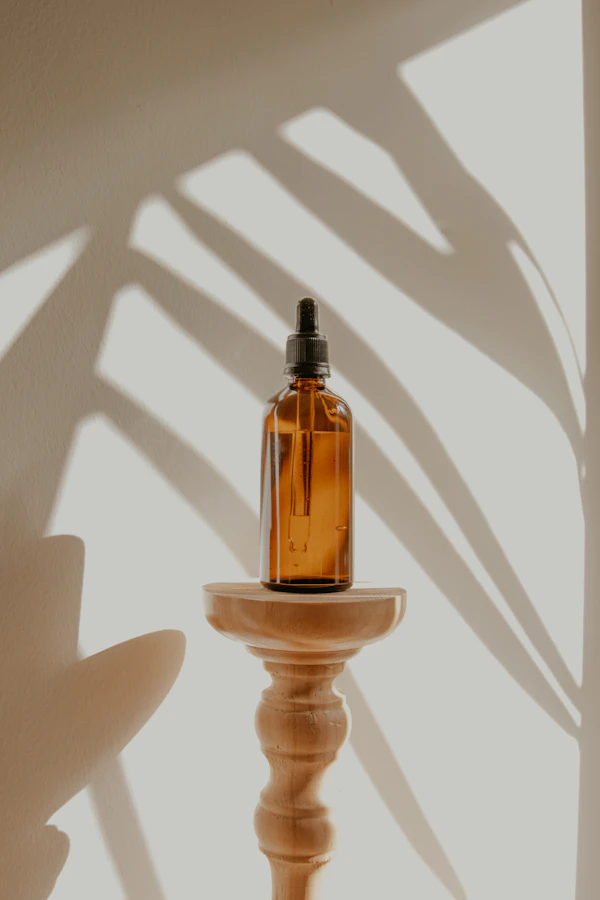
Texture and smell can tell you a lot, but they can't confirm what's actually inside the resin. That's what third-party lab testing is for, and it's the single most reliable signal of quality available to a shopper who can't inspect a harvest site in person.
What a Proper Certificate of Analysis Should Show
- Fulvic acid concentration, usually expressed as a percentage
- Heavy metal screening, covering lead, arsenic, mercury, and cadmium
- Microbial testing, confirming the resin is free of harmful bacteria or mold
- The testing lab's name and accreditation, not just a logo with no source
A Quick Note on Purification
- Raw shilajit is filtered to remove rock fragments and organic debris
- Traditional purification methods are still used by many small-batch harvesters
- Purified resin should look consistent from batch to batch, not vary wildly in texture
If a brand can't produce a specific, dated lab report on request, treat that as a warning sign rather than an oversight.
Who Shilajit Is Typically Used By
Shilajit is used by a broad range of people for different everyday goals. Below is a grounded look at how it's commonly used across different groups, without overstating what the evidence actually supports.
For Men
Shilajit is popular among men seeking everyday energy and vitality support. A small clinical trial found that purified shilajit was associated with increased testosterone in healthy men over 90 days, though this remains an early, limited body of research.
For Women
Women use shilajit for the same general wellness reasons as men, energy, nutrient support, and daily vitality, though clinical research specific to women is still limited compared to studies involving men.
A Note on Plants and Pets
You may see fulvic and humic acid marketed separately for garden and soil health, and some pet supplements include humic substances formulated specifically for animals. These are different products, made and dosed for a different purpose, from the human dietary shilajit resin sold on this page. We don't recommend giving your pet or garden the same resin you take yourself. If you're interested in fulvic acid for soil health, look for a product formulated for that use, and if you're considering anything for a pet's diet, check with a veterinarian first.
Ethical Sourcing & the Supply Chain
Quality doesn't start at the lab, it starts at the harvest site. A transparent supply chain is one of the clearest signs that a brand takes both its product and its impact seriously.
What Responsible Sourcing Looks Like
- Rotating harvest locations so the same site isn't stripped year after year
- Fair, direct payment to local harvesting communities rather than layers of middlemen
- Traceability from harvest site to finished product, ideally with a batch or lot number
- Minimal-impact collection methods that don't damage surrounding vegetation or terrain
Ask any brand you're considering where, specifically, their shilajit is harvested. Vague answers like "the Himalayas" without a region or supplier relationship are worth being cautious about.
Storage, Shipping & Shelf Life
Even genuine, well-tested shilajit can degrade in quality if it's stored or shipped poorly. Here's what affects it, and how to look after it once it arrives.
Temperature
Store at room temperature, away from direct heat or sunlight. Resin softens in heat and can become difficult to portion accurately.
Container
Keep it in a sealed, dark glass jar. Light and air exposure can gradually affect potency over time.
Shipping
Insulated, insured shipping matters more in hot climates or during summer months, when resin can soften significantly in transit.
Shelf Life
Properly stored, purified resin can remain stable for several years, though most brands recommend using it within 2 to 3 years of purchase.

Ways to Use Shilajit in Daily Life
Beyond dissolving it in warm water, which we cover in detail in our main shilajit guide, here are a few practical ways people work shilajit into an existing routine.
In Smoothies & Breakfast
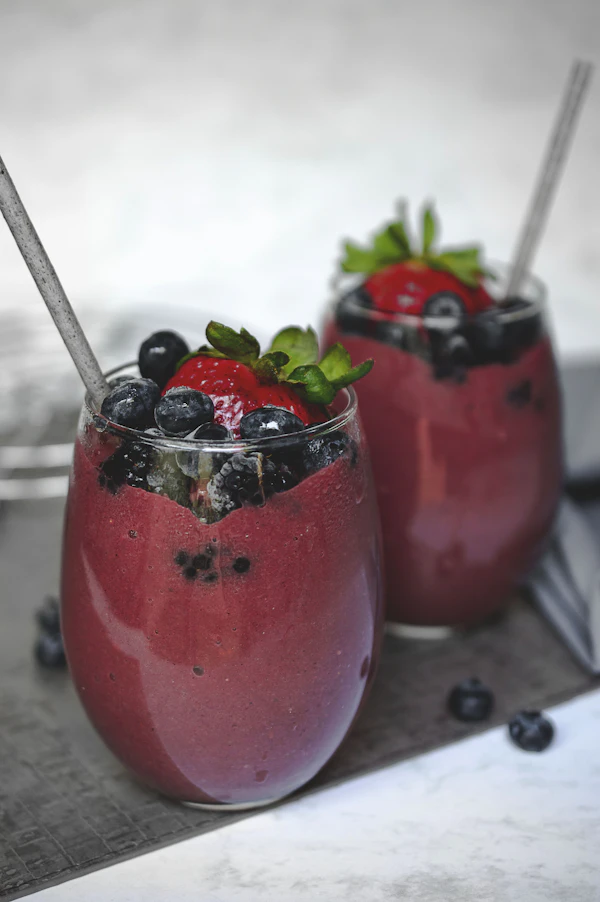
Dissolve your usual portion in a small amount of warm water first, then blend it into a smoothie or stir it into warm oatmeal or yogurt. Adding it directly to a cold blender can make it harder to dissolve fully.
In Skincare Routines
Some people use fulvic-acid-based products topically as part of a skincare routine, separate from ingestion. If you want to try this, look for a product specifically formulated and tested for skin use, since the resin sold as a dietary supplement is intended to be consumed, not applied directly to skin.

In Warm Drinks & Herbal Teas
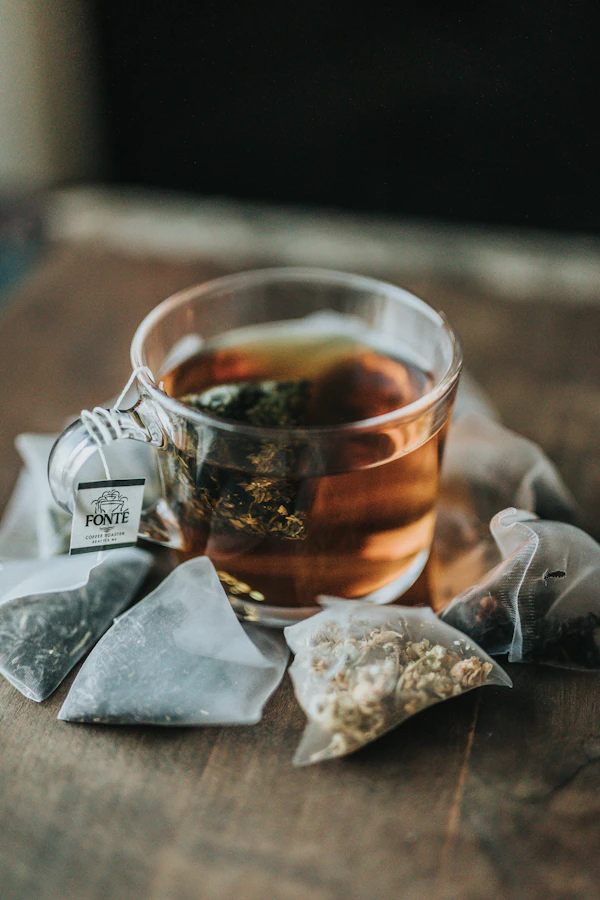
Shilajit is commonly dissolved into warm milk, herbal tea, or coffee. Because of its naturally bitter, earthy taste, many people pair it with honey or a warmer, more full-bodied drink to smooth out the flavor.

Ready to Try Authentic, Lab-Tested Shilajit?
Every batch we sell is hand-harvested, third-party lab tested, and traceable back to its source, so you know exactly what you're getting.
Shop Shilajit