
Essential Trace Minerals in Shilajit and Why They Matter
A closer look at the mineral content locked inside authentic Himalayan shilajit, how it compares across different forms, and what your body actually does with each trace element once it's absorbed.
Trace Minerals
The average diet has grown noticeably lower in trace minerals over the past several decades, largely due to soil depletion and heavily processed food. Shilajit is one of the few natural sources that concentrates a wide spread of these elements in a single resin, which is part of why it has held a place in traditional wellness practices for so long. Below, we break down which minerals show up in shilajit, how they're classified, and what role each one plays in the body.

Trace Minerals in Resin vs. Liquid Shilajit
Resin and liquid extract don't always carry the same mineral density. Resin, being the least processed format, typically retains a broader mineral spread, while liquid extracts can vary depending on dilution and extraction method.
Trace Minerals in Shilajit Blended With Mad Honey
Combining shilajit with mad honey introduces a different nutrient profile on top of the resin's existing mineral base, since raw honey itself carries small amounts of naturally occurring trace elements from the plants it's derived from.

Dietary Reference Intake (DRI) Table
Recommended daily intake levels differ by mineral, age, and life stage. Use this table as a general reference point, not a substitute for advice from a healthcare provider or registered dietitian.
| Mineral | Recommended Daily Intake (Adult Male) | Recommended Daily Intake (Adult Female) | Primary Role |
|---|---|---|---|
| Potassium | 3,400mg | 2,600mg | Fluid balance, nerve signaling |
| Magnesium | 400-420mg | 310-320mg | Muscle and nerve function |
| Calcium | 1,000mg | 1,000mg | Bone and teeth structure |
| Iron | 8mg | 18mg | Oxygen transport in blood |
| Zinc | 11mg | 8mg | Immune function, wound repair |
| Sodium | Under 2,300mg | Under 2,300mg | Fluid balance, blood pressure |
What Is the Difference Between Organic and Inorganic Trace Minerals?
Organic minerals are bound to a carbon-based molecule, often an amino acid, which generally makes them easier for the body to recognize and absorb. Inorganic minerals, like those found in many rocks and untreated water, are bound to non-carbon compounds and tend to be harder for the digestive system to process efficiently. Fulvic acid, one of shilajit's defining compounds, is thought to help bridge this gap by acting as a natural carrier that assists mineral transport across cell membranes.
Where Have All the Trace Minerals Gone?
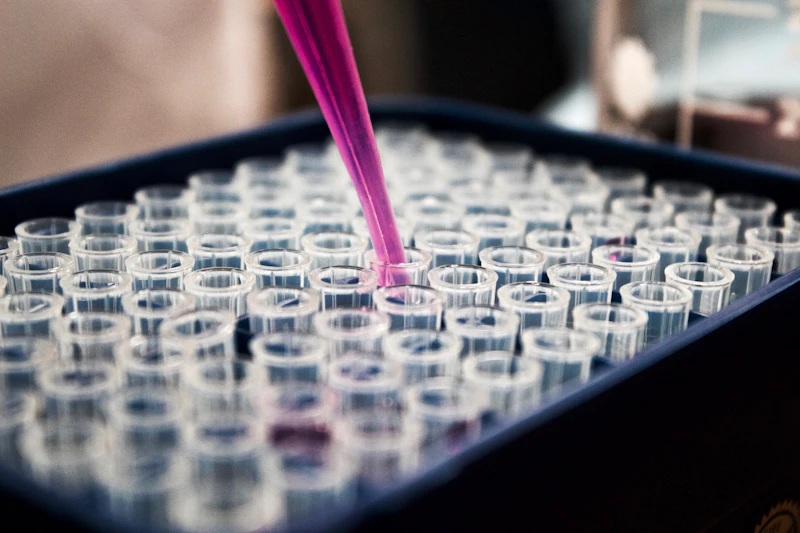
Modern agriculture has changed the nutrient makeup of the soil we grow food in. Decades of intensive farming, reduced crop rotation, and mineral-poor fertilizers have left much of today's farmland with a thinner mineral profile than it had a century ago. The result is that a plate of vegetables today may carry noticeably fewer trace minerals than the same vegetables would have a few generations back, which is part of why concentrated natural sources like shilajit have drawn renewed interest.
How Essential Nutrients Are Classified, and Why It Matters
Nutrients fall into two broad categories based on how much of them the body needs, and both play distinct, non-interchangeable roles.
Macronutrients
Proteins, fats, and carbohydrates, needed in larger amounts, primarily used by the body for energy and building blocks for tissue.
Micronutrients
Vitamins and minerals, needed in smaller amounts, but essential for regulating countless processes from enzyme activity to nerve signaling.
Macronutrients
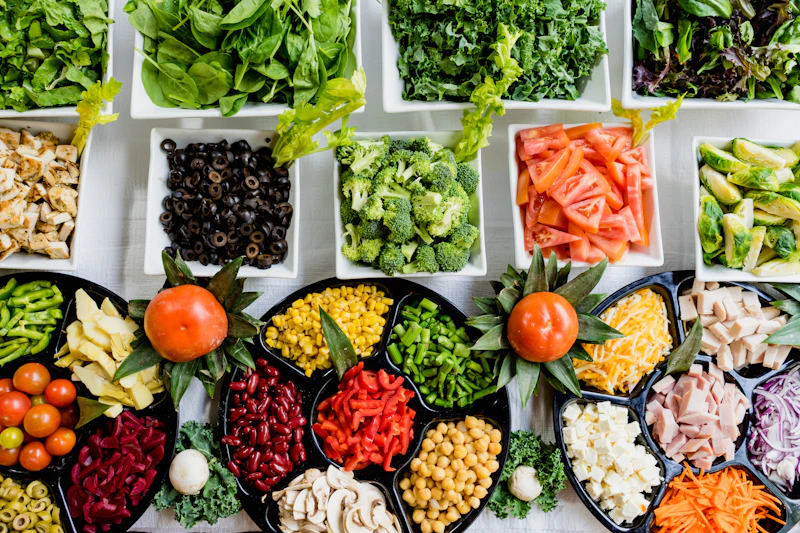
Macronutrients supply the raw material and energy the body runs on daily. Without adequate protein, fat, and carbohydrate intake, the body has nothing to draw from for basic function, let alone recovery or growth.
Micronutrients
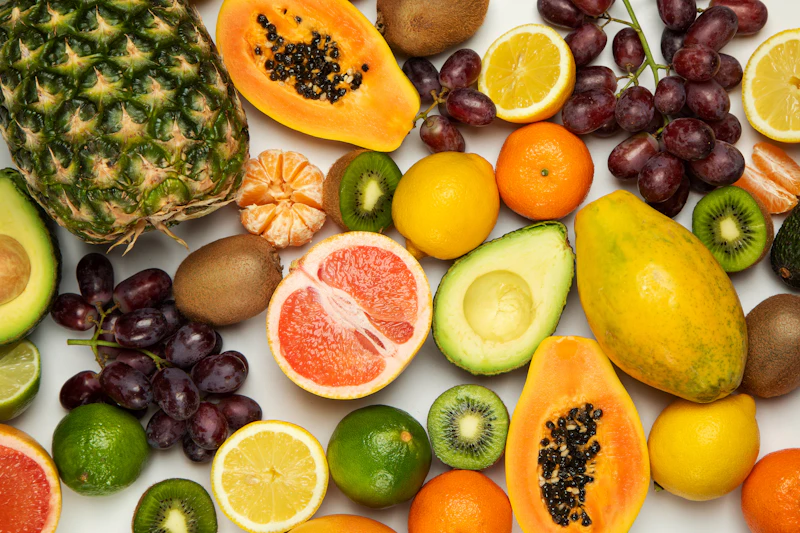
Micronutrients don't provide energy directly, but they're required for the enzymatic reactions that let the body actually use the energy macronutrients supply. A shortfall in even one trace mineral can quietly affect several systems at once.
Trace Minerals vs. Vitamins

What Is the Difference Between Trace Minerals and Vitamins?
Vitamins are organic compounds, meaning they contain carbon and can be broken down by heat, light, or air. Trace minerals are inorganic elements that come from the earth itself and remain chemically stable regardless of how food is cooked or stored. Both are essential, but they behave very differently once they enter the body, and neither can substitute for the other.
A Brief Word on Trace Mineral Absorption
Not every mineral you consume actually makes it into your bloodstream. Absorption rates vary widely depending on the mineral's chemical form, what else you're eating alongside it, and your individual digestive health. This is why bioavailability, not just total mineral content on a label, matters so much when comparing sources.
Is It Easier to Absorb Plant-Based Minerals?
Not necessarily. Many plant-based minerals are bound to compounds like phytic acid, which can actually reduce absorption unless the food is soaked, fermented, or sprouted first. Mineral bioavailability depends far more on chemical form and accompanying compounds, such as fulvic acid, than on whether the source is plant-based or not.
Trace Minerals the Body Needs Every Day, and Their Health Benefits
Below is a closer look at some of the minerals your body relies on daily, split into macro and micro trace minerals based on how much of each is typically required.
Macro Trace Minerals
Five electrolytes make up the core of this group: potassium, sodium, chloride, magnesium, and calcium.
1. Potassium
Potassium helps regulate fluid balance inside and outside your cells and plays a central role in muscle contraction and nerve signaling. Even mild shortfalls can show up as fatigue, muscle cramping, or an irregular heartbeat in more serious cases.

Did You Know?
Most adults fall short of recommended daily potassium intake, largely because processed foods tend to be low in it while being high in sodium, throwing off the natural balance between the two.
Absorption and Bioavailability
- Absorbed primarily in the small intestine
- Excess is regulated and excreted by the kidneys
- Works in tandem with sodium for fluid balance
Dietary Sources
- Bananas and citrus fruits
- Leafy green vegetables
- Potatoes and legumes
- Avocados
Micro Trace Minerals
Needed in smaller amounts than macro minerals, but no less essential to daily function.
1. Iron
Iron is central to producing hemoglobin, the protein responsible for carrying oxygen through the bloodstream. Persistent low iron levels are one of the most common nutrient deficiencies worldwide, often showing up as fatigue, pale skin, and reduced physical stamina.

Did You Know?
Iron from animal sources (heme iron) is generally absorbed more efficiently than iron from plant sources (non-heme iron), which is one reason vegetarians and vegans are advised to pair iron-rich plants with vitamin C to improve uptake.
Absorption and Bioavailability
- Heme iron absorbs more efficiently than non-heme iron
- Vitamin C significantly improves non-heme iron uptake
- Calcium and certain compounds in tea can inhibit absorption
Dietary Sources
- Red meat and poultry
- Spinach and other leafy greens
- Lentils and beans
- Pumpkin seeds
Possibly Essential and Debated Trace Minerals
A handful of trace elements sit in a gray area, where researchers haven't fully agreed on whether they're strictly essential for humans, even though they show up consistently in the body.
Research on these elements continues, and while some early studies suggest supportive roles in bone health and enzyme activity, the evidence isn't yet conclusive enough to set firm daily intake recommendations.
9 Strategies for Improving Your Trace Mineral Balance
Eat More Raw Whole Foods
Cooking and processing can strip away a portion of a food's original mineral content. Where it's safe to do so, eating vegetables and fruits raw, or lightly cooked, helps preserve more of their natural nutrient density.
Probiotics
A healthy gut microbiome plays a direct role in how efficiently minerals are absorbed from food. Fermented foods and probiotic supplements can help support a gut environment better suited to nutrient uptake.

A Paleo-Inspired 'Hunter-Gatherer' Diet
Diets built around whole, minimally processed foods, similar to what pre-agricultural humans would have eaten, tend to naturally include a wider range of trace minerals than heavily processed modern diets.
Super Foods
Nutrient-dense foods like seaweed, spirulina, and nutritional yeast pack a disproportionately high mineral content relative to their calorie count, making them useful additions for boosting overall intake.

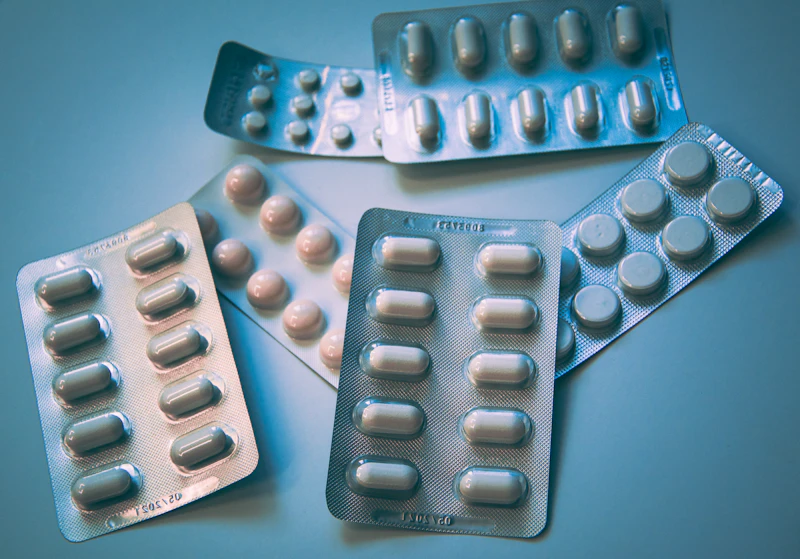
Intensive Supplementation
For diagnosed deficiencies, targeted supplementation under medical guidance can correct a shortfall more quickly than diet changes alone, though it should be approached with proper testing rather than guesswork.
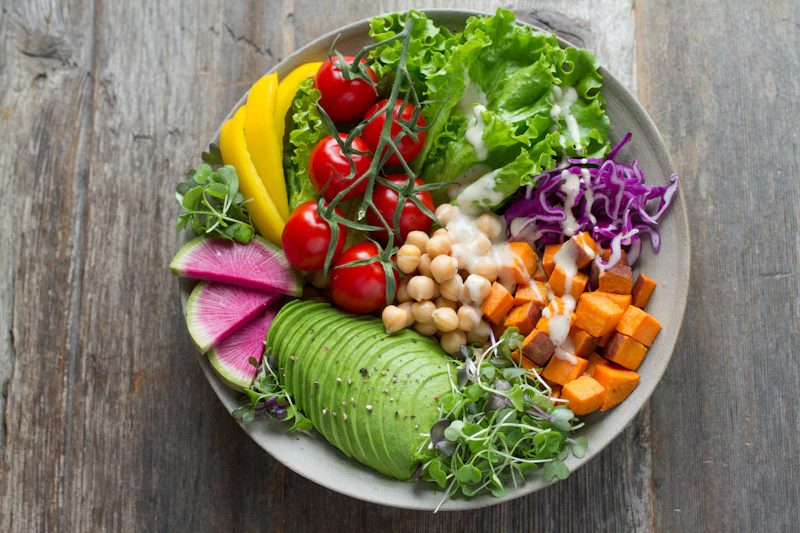
Eat a Colorful Plate
Different colored fruits and vegetables generally carry different mineral and antioxidant profiles. Building meals around a variety of colors is a simple way to naturally diversify mineral intake.

Mindfulness and Meditation
Chronic stress affects digestion and can interfere with how efficiently the body absorbs and retains minerals over time. Regular mindfulness practice is one way to support the nervous system conditions needed for healthy digestion.

Regular Exercise
Physical activity supports healthy circulation and digestive function, both of which play a role in how well the body transports and absorbs minerals from the foods you eat.

Fulvic Acid
Fulvic acid, one of the defining compounds in shilajit, is thought to act as a natural carrier molecule that helps shuttle minerals across cell membranes, potentially supporting more efficient absorption when paired with a mineral-rich diet.
